
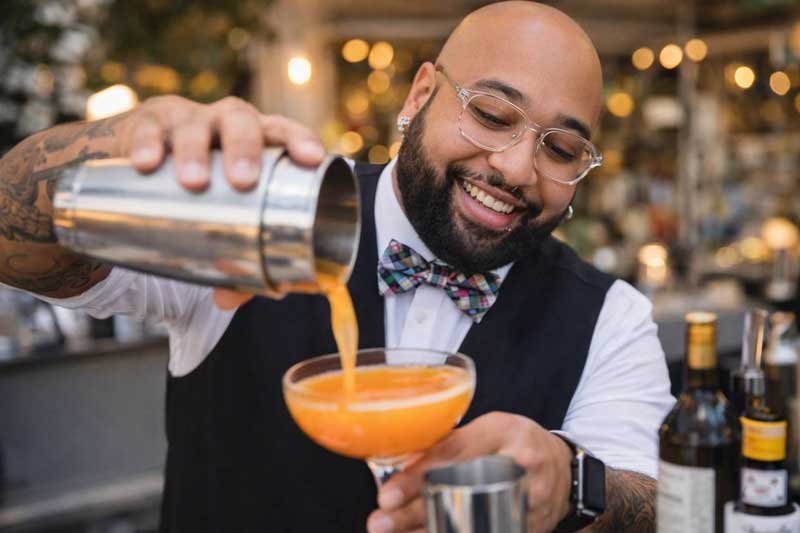
Florida is one of the busiest states for tourism, hospitality, weddings, private celebrations, corporate gatherings, and entertainment. From beachside receptions and hotel functions to birthday parties and large festivals, events take place throughout the year. This creates opportunities for people interested in serving guests in fast-paced and social environments.
Event bartending can be an appealing career option because no two events are necessarily the same. Instead of working behind one permanent bar, an event bartender may work at different venues, meet new people, and experience different types of celebrations. However, the job also comes with physical demands, irregular schedules, and customer service challenges.
Understanding both sides of the profession can help you decide whether event bartending in Florida matches your skills, lifestyle, and career goals.
What Does an Event Bartender Do?
An event bartender is responsible for beverage service at temporary or special events. Depending on the employer and type of event, responsibilities may include preparing cocktails, serving beer and wine, pouring non-alcoholic beverages, organizing the bar area, checking supplies, maintaining cleanliness, and assisting with setup and breakdown.
Event bartenders may work at weddings, private parties, conferences, hotel receptions, charity functions, festivals, corporate events, and other gatherings. Some assignments may involve a small group of guests, while others can require service for hundreds of people.
The work requires more than knowing how to prepare drinks. Bartenders must communicate with guests, coordinate with event staff, manage their workspace, and maintain professional service throughout the event.
Pro: Every Event Can Be Different
One of the most attractive aspects of event bartending is variety. Working at different venues can make each shift feel different from the last.
One weekend might involve a formal wedding reception, while another assignment could take place at a corporate celebration or outdoor gathering. Different events bring different guest expectations, service styles, menus, and working environments.
This variety can be particularly appealing to people who become bored with repetitive routines. It can also help bartenders develop experience across several areas of hospitality.
Pro: Flexible Scheduling
Event bartending can offer flexibility that may not be available in some traditional hospitality positions. Many events are scheduled during evenings and weekends, allowing workers to choose shifts that fit around other responsibilities.
For students, freelancers, or people looking for additional income, this flexibility can be useful. Workers who already have another job may be able to accept event assignments during available hours.
However, flexibility does not always mean consistent work. The number of available shifts can change depending on the season, location, employer, and demand for events.
Pro: Opportunity to Meet New People
Event bartenders interact with a wide range of guests and professionals. Each event may introduce workers to new customers, venue teams, caterers, event planners, servers, managers, and other hospitality professionals.
Strong communication and a friendly attitude can help bartenders build professional relationships. Someone who consistently provides dependable service may be remembered by event coordinators or hospitality businesses when future opportunities become available.
For people who enjoy social interaction, this can be one of the most rewarding parts of the profession.
Pro: Development of Practical Hospitality Skills
Event bartending provides hands-on experience that can help workers strengthen a range of professional skills. Bartenders must often manage several tasks at once while maintaining quality and speed.
They learn to communicate with guests, organize supplies, work as part of a team, manage busy periods, and respond to unexpected situations. These skills can be useful beyond bartending and may support future opportunities in restaurants, hotels, catering, event management, and other hospitality settings.
Training can also provide a useful foundation. For people who want structured instruction before entering the industry, a certification school for bartenders can help introduce beverage preparation, service techniques, workplace practices, and other fundamentals.
Pro: Potential for Career Growth
Event bartending does not necessarily have to be a short-term job. It can become a starting point for a broader hospitality career.
As workers gain experience, they may take on additional responsibilities or move into positions involving event coordination, bar management, catering supervision, hospitality management, or training. Building a reputation for reliability and professionalism can help create opportunities within the industry.
Experience with different event formats can also make workers more adaptable. Someone who has worked at both small private events and large gatherings may develop a broader understanding of guest service and event operations.
Con: Irregular Working Hours
One of the main disadvantages of event bartending is the possibility of an inconsistent schedule. Events frequently take place on weekends, evenings, and holidays, which may require workers to adjust their personal schedules.
Busy periods can also be followed by quieter weeks. Someone who needs a fixed number of hours every week may find this unpredictable.
Before accepting an event position, it is useful to understand how shifts are assigned, how far in advance schedules are provided, and whether there is a minimum number of hours available.
Con: Physically Demanding Work
Bartending is a physically active profession. Event bartenders can spend several hours standing, walking, reaching, lifting supplies, carrying ice, moving equipment, and repeatedly preparing drinks.
Large events may require continuous service for several hours. Outdoor events can present additional challenges because Florida’s heat and humidity can make long shifts more physically demanding.
Anyone considering this career should be comfortable with being on their feet for extended periods and working in environments that may change from one event to another.
Con: Fast-Paced Service
Events often operate according to strict schedules. A wedding reception, for example, may have a cocktail hour that begins at a specific time, followed by dinner and other scheduled activities.
When many guests approach the bar simultaneously, bartenders need to work efficiently without sacrificing accuracy or professionalism. Mistakes can become more likely when the workload increases, so organization and concentration are essential.
People who prefer slower-paced workplaces may find this aspect of event bartending challenging.
Con: Difficult Customer Interactions
Customer service is an important part of the job, but not every interaction will be easy. Bartenders may encounter impatient, demanding, or intoxicated guests.
Maintaining a professional attitude is essential, particularly when handling situations involving alcohol. Bartenders must follow responsible service practices and workplace policies rather than allowing difficult interactions to affect their judgment.
Good communication and the ability to remain calm can make a significant difference when dealing with challenging situations.
Con: Travel Between Venues
Unlike employees who report to the same restaurant or bar for every shift, event bartenders may work at multiple locations. Depending on the employer, assignments can take place at hotels, event halls, private properties, resorts, outdoor venues, or other locations.
Travel can add time and expense to a workday. Before accepting an assignment, workers should understand where the event will take place and whether transportation, parking, or travel expenses are their responsibility.
For people who enjoy visiting different venues, travel can be a positive part of the role. For others, it may become an inconvenience.
Con: Event Preparation and Cleanup
Bartending responsibilities may begin before guests arrive and continue after the final drink is served. Some employers expect bartenders to help prepare the bar area, organize beverages, arrange glassware, stock supplies, and make sure everything is ready for service.
After an event, bartenders may also be responsible for cleaning their workspace, disposing of waste, collecting equipment, and helping with breakdown.
This means the actual working day may be longer than the guest-facing portion of the event.
Who Is Best Suited to Event Bartending?
Event bartending may be a good fit for someone who enjoys meeting people, staying active, working under pressure, and adapting to changing environments.
Strong communication skills are valuable because bartenders interact with guests throughout the event. Organization is equally important because supplies, orders, equipment, and service requirements must be managed efficiently.
People interested in bartending jobs may also benefit from being dependable and punctual. Events operate according to schedules, so arriving late can affect the entire service team.
A willingness to learn is another useful quality. Beverage trends, service expectations, event formats, and workplace procedures can vary considerably.
What Should You Consider Before Choosing This Career?
Before accepting an event bartending position, consider the type of events you would be working at, expected working hours, transportation requirements, physical demands, dress standards, training requirements, and responsibilities beyond beverage service.
It is also worth asking how frequently assignments are available. A position that sounds flexible may not provide enough shifts for someone seeking full-time income.
Think about your personality as well. If you enjoy social environments and changing surroundings, event bartending could be rewarding. If you prefer a predictable schedule and consistent workplace, a permanent hospitality position may suit you better.
Event bartending in Florida can offer variety, flexibility, networking opportunities, and valuable hospitality experience. Working at different events can help bartenders build confidence, improve customer service skills, and understand different parts of the hospitality industry.
At the same time, the profession has challenges. Irregular schedules, physically demanding shifts, travel, busy service periods, and difficult customer interactions can make the work demanding.
There is no single answer to whether event bartending is the right career choice. The best option depends on your lifestyle, personality, availability, and professional goals.
For someone who enjoys people, variety, teamwork, and an energetic work environment, event bartending can be an exciting way to build hospitality experience. For those who prefer stability and predictable routines, another career path may be more suitable. By considering both the advantages and disadvantages before getting started, you can make a more informed decision about whether event bartending fits your future.