
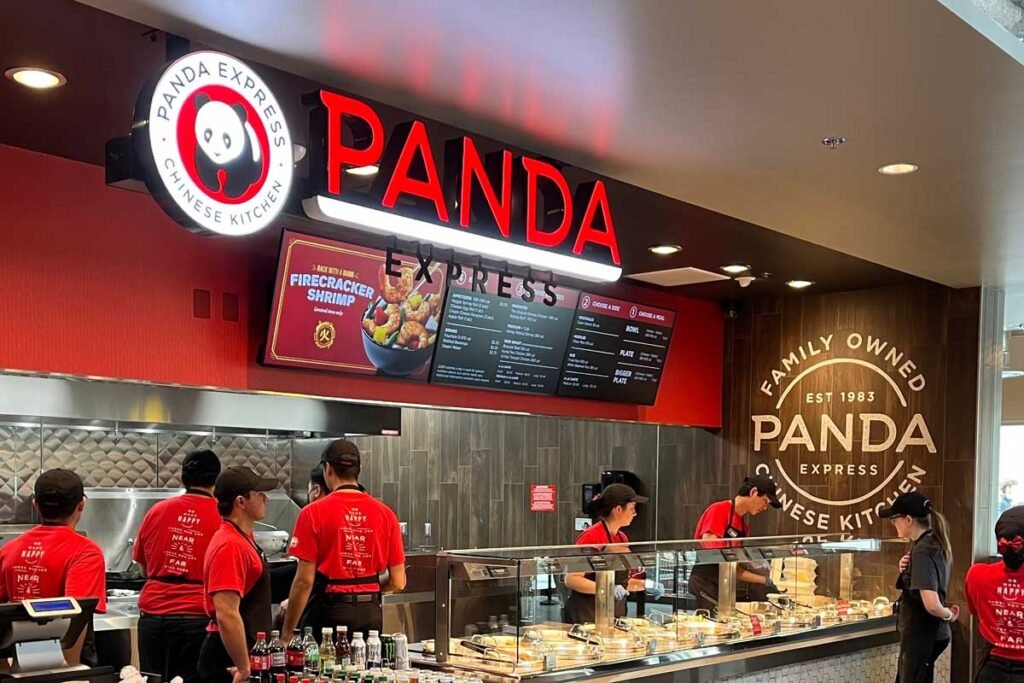
Panda Express interviews are short, friendly, and scripted. Managers work from a printed questionnaire, crew conversations wrap in fifteen to twenty-five minutes, and applicants frequently report an offer within a day or two. The Panda Express interview questions on that sheet reward three things: energy, open hours, and proof you stay useful during a rush.
How do we know about the sheet? A crew member photographed the actual interview form their manager left at the station and posted it to r/PandaExpress, where it drew hundreds of comments from employees comparing notes. Between that thread, the questions applicants repeat across Glassdoor and Indeed, and Panda’s own published values, the interview stops being a mystery.
Crew, cashier, and cook roles follow the pattern below. If you are comparing counter-service employers, the Chick-fil-A interview guide makes a useful contrast: similar warmth test, very different company culture. For another fast-casual chain, see our Chipotle interview questions guide.
How the Panda Express hiring process moves
For crew roles the path is one online application and one in-person conversation, usually with the general manager, sometimes ending in a same-day offer. Applicants across Indeed and Glassdoor describe the whole journey taking days, not weeks, and many report hearing back within about forty-eight hours.
Management applicants get two extra steps. Several describe receiving a text shortly after applying that asks for a self-recorded video answering a customer-service prompt, followed by a second interview at the store or with a multi-unit leader.
“I applied for a position of manager at my local Panda on indeed 2 days ago, and I got a text today asking to record myself answering a question about how I’d given great customer service. Is this a good sign or do they just do this for everyone who applies? How was the process for others applying for manager? How many stages did you go through?”
– r/PandaExpress, December 2025 (6 upvotes)
Treat the video step like the in-person one: name a specific customer, the problem, your fix, and the outcome in under ninety seconds. Managers screening dozens of recordings reward the answer that gets to the point.
The Panda Express video and virtual interview
“Virtual interview” covers two different steps at Panda Express, and applicants report both.
The first is a set of recorded answers. A service-team applicant on r/PandaExpress said they were asked to complete a virtual interview within four days (February 2026), and another applicant in that thread said they stopped and re-recorded the first question several times. A management applicant described three recorded videos in a December 2025 thread.
The second is a live call, usually the second round. Crew applicants describe a first interview in person or at an open-house hiring event, then a second on Zoom or FaceTime with the store manager and the area coach (r/PandaExpress, January 2026). In a July 2025 thread, a commenter said the second interview in their area runs on Zoom with the area coach of operations, camera on, because one coach covers several stores. Another commenter there, hired after a FaceTime interview, said it ran about fifteen minutes and the manager asked about past jobs, whether they were going to college, and why Panda Express.
Not every store adds that second round; plenty of crew applicants still report a single in-person conversation, so the process varies by location.
Prepare both formats the same way: a quiet spot with a plain background, business casual, and one specific story per prompt. If you’ve already accepted an offer and still get automated invitations to a “virtual hiring event,” commenters in a February 2026 thread said the hiring system sends those on its own; check with your manager before booking one.
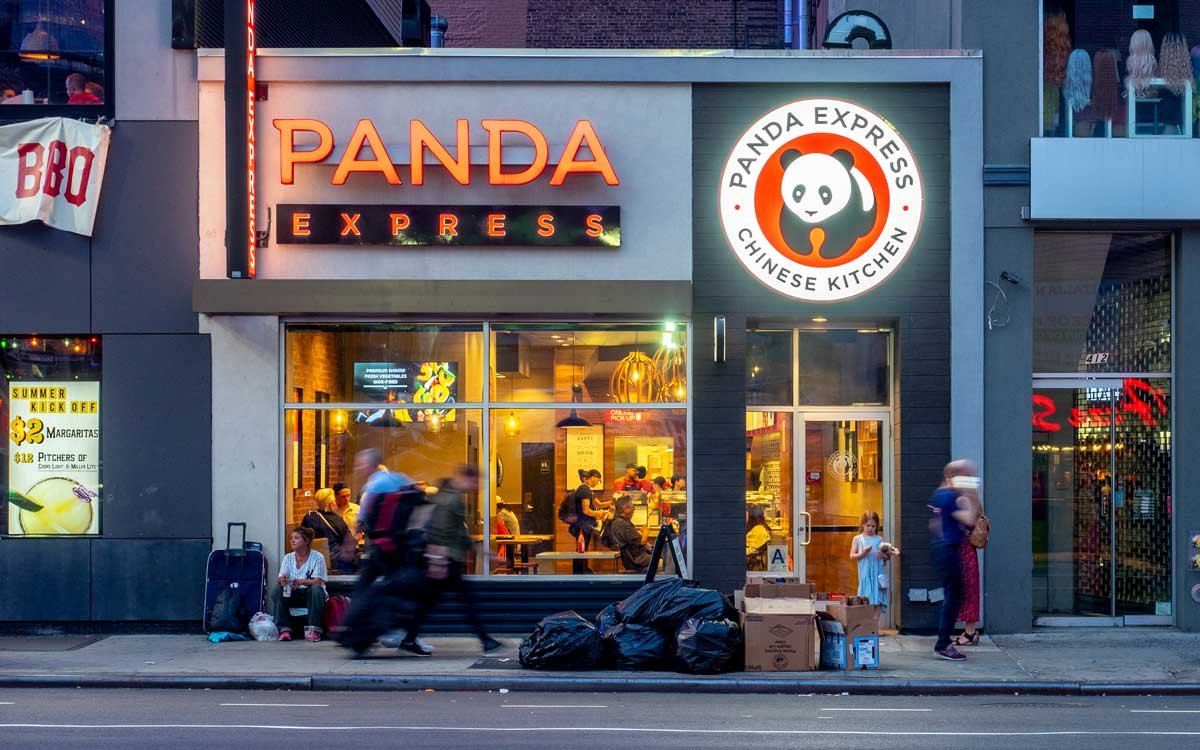
The Panda Express interview questions on the manager’s sheet
Ten prompts cover nearly every crew interview: tell me about yourself, why Panda Express, your availability, a difficult customer, working under pressure, a coworker conflict, a time you went beyond the job, your strengths and a real weakness, long-term interest, and your own questions.
“My manager left this interview paper sitting in the manager station. This is the questionnaire the managers use to interview new people. What do yall think?”
– r/PandaExpress, September 2025 (236 upvotes)
The leak confirmed what applicants had long suspected: the interview is standardized, the questions are ordinary, and the scoring rewards concrete stories over polish. Prepare five short stories and you can cover every prompt on the page.
1. Tell me about yourself
Ninety seconds, present first, job-relevant, done.
Sample answer: “I’m finishing my senior year and I’ve spent two summers on a snack-bar crew at the community pool, where I ran the register and the grill at the same time. I like jobs where the line never really stops. My family eats here most Fridays, so I already know the menu better than half the crew probably expects.”
2. Why do you want to work at Panda Express?
Managers hear I-love-orange-chicken every shift.
Tie your reason to the operation or the growth path instead of the food.
Sample answer: “Two reasons. Watching your line during a lunch rush, the cooks and counter people communicate constantly, and that kind of team is where I work best. And I know Panda promotes from within; the shift leads at this store both started on the line. I want a job with a next step built into it.”
3. What is your availability?
Wide, honest availability wins offers here the same way it does across fast food. Name your open windows, your locked blocks, and your weekend stance in one breath, and say when the picture changes at semester break. Managers build schedules around school calendars every season, so a known constraint costs you little. A vague “mostly free” followed by callouts in week two is the version that burns them.
4. Describe a time you dealt with a difficult customer
Every role gets this one, cooks included.
Structure the story in four beats and end with the customer’s mood fixed, not with you vindicated.
Sample answer: “A guest at my last job came back with a bowl missing its protein, and the line behind her was ten deep. I apologized once, remade it ahead of the queue, and dropped in an extra spring roll for the drive back. Total cost to the store was maybe a dollar, and she left calmer than she arrived. Fixing it fast mattered more than working out whose mistake it was.”
5. How do you handle working under pressure?
The honest version of this answer names a technique, because everybody claims to thrive in chaos. Say what you actually do: call out orders louder, shorten your sentences, clear the smallest task first, ask for help before you sink.
6. Tell me about a conflict with a coworker
Pick a story where you approached the person directly and something operational improved afterward. Blaming, venting, or escalating straight to a manager all read as future drama on a small crew.
7. When did you go beyond what the job required?
Covering a call-out, staying through a close, teaching a station you were not asked to teach. Keep the tone matter-of-fact; the story impresses more when you do not frame it as heroism.
8. What are your strengths, and a real weakness?
Sample answer: “Strength: I stay level during rushes, and supervisors have told me the calm spreads down the line. Weakness: I used to keep problems to myself until they got big, like guessing at a station instead of asking. I have gotten deliberate about asking early, because thirty seconds of questions beats ten minutes of rework.”
9. Do you see long-term potential with Panda Express?
The company runs on internal promotion, and employees on r/PandaExpress describe the general-manager track as one of the better-paying paths in fast food. You do not need to promise years; interest in shift lead is the right register.
10. Do you have questions for us?
Ask how new hires split time between the line, the counter, and the register in week one, and what separates the crew members who get tapped for shift lead. Both make the long-term-interest answer you just gave sound true.
Panda’s five values, and the why-should-we-hire-you answer
Panda Restaurant Group names five values on its mission and values page: proactive, respect/win-win, growth, great operations, and giving. The company mission talks about inspiring people to better their lives, which sounds like poster material until you notice the interview sheet quietly tests for it, from the long-term question to the coworker-conflict prompt.
Use one value, not all five. When the why-should-we-hire-you moment comes, pair a value with evidence.
Sample answer: “You should hire me because I fit the way this store already runs. Your crew moves fast and helps each other without being asked, and that is how I worked my last job: when my station was clear, I was restocking someone else’s. I can start this weekend and hold whatever schedule you need through the school year.”
What to wear, and the details that decide close calls
Business casual with closed-toe shoes is the standard: plain pants, a neat top, nothing you could not safely wear near a fryer. Employees advising applicants keep repeating the small stuff, smiling, eye contact, and one even swears by pushing in your chair on the way out.
The bar moves store to store. A location down two crew members may hire on availability alone, while a fully staffed store with a stack of applications can afford to hold out for energy and stories, so a rejection often reflects the store’s staffing week, not your interview. Reapply at a nearby location or the same one next month; the questionnaire will look exactly the same, and your second run at it will be smoother.
Frequently asked questions
Is it difficult to get hired at Panda Express?
Most applicants rate the Panda Express interview as easy to medium, and offers commonly arrive within a day or two. The practical hurdles are availability and pace: narrow hours or visible discomfort with rush-hour work sink more candidates than any question does.
What are the 5 main questions asked at an interview?
The classic five are tell me about yourself, why do you want to work here, what are your strengths, what is your weakness, and where do you see yourself long term. Panda Express asks versions of all five from its standard questionnaire.
How do you answer why should we hire you at Panda Express?
Pair one of Panda’s stated values with proof from your own work: a story of helping a teammate unprompted, plus the availability the store needs. One value with evidence beats reciting all five back at the interviewer.
What should you wear to a Panda Express interview?
Business casual works at nearly every location: plain pants, a collared or neat top, and closed-toe shoes. Skip strong cologne and open shoes; managers read your outfit as a preview of how you will show up for a food-safety job.