
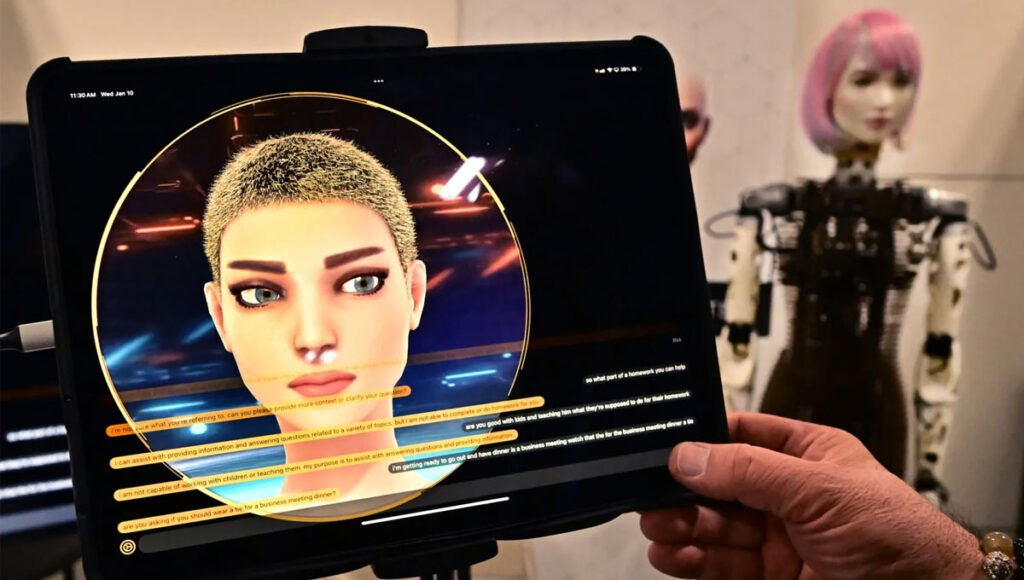
Imagine you are a recruiter with 400 applications for a single role. Many of the cover letters open with nearly the same sentence. The resumes use the same polished phrases. A few candidates look perfect on paper, then turn out to know very little once the video call begins.
This is no longer a hypothetical. Automated tools now write, send, and screen a growing share of what moves through the hiring process, on both sides of the table. It echoes an idea that started on internet forums as a fringe conspiracy and has since moved into mainstream conversation: the dead internet theory. You do not have to believe the theory to feel its effects when you are looking for work. This article explains the idea, what experts make of it, and how to stand out as a real person in an application pile that increasingly looks machine-made.
What Is the Dead Internet Theory?
The dead internet theory is the claim that much of the web is now bots and automatically generated content rather than genuine human activity. In its most extreme form, it suggests a coordinated effort to manipulate what people see. Most researchers reject that version. There is no evidence that the internet is literally empty of people.
But a milder reading has proved harder to dismiss. Automated traffic is a large part of the web, and generative AI has made it cheap to produce text, images, and even fake personas at scale. Many everyday users report that parts of the internet feel more repetitive and less personal than they once did. The theory has stuck around because it captures that feeling, even where the details are wrong.
What the Experts Actually Say
Serious commentators tend to land in a similar place. The internet is not dead, but it is changing, and it is getting harder to tell human content from machine content. Reading the views of two AI researchers interviewed by Lorka AI is a useful way to see how specialists separate the genuine trends from the conspiracy. The common thread in this kind of expert commentary is a careful distinction: bots and AI-generated material are rising, but people remain active, and the real challenge is learning how to judge what to trust.
That distinction is the one job seekers need as well. Panic is not useful. Awareness is.
Why This Matters in Hiring
Hiring is a perfect example of a system under strain from automation, because both sides are using it.
Candidates use AI to write. Resumes, cover letters, and answers to application questions can now be drafted in seconds. Many applicants use these tools well, as an editor or brainstorming partner. Others paste in generic output and send it unchanged.
Employers use software to filter. Tracking systems sort large volumes of applications, and some companies use automated screening for early stages.
Volume has exploded. When applying takes one click and writing takes seconds, the number of applications per role climbs. Recruiters spend less time on each, and generic submissions blur together.
Trust is under pressure. Some employers now worry about exaggerated credentials, ghostwritten assessments, and in rare cases, people who are not who they claim to be. That is one reason many have shifted toward more live, in-person, or verified conversations.
The result is a market where authenticity has become a competitive advantage. When anyone can generate a polished paragraph, the thing that is hard to fake is a specific, lived, human story.
How Recruiters Spot Generic Applications
Understanding what employers see helps you avoid it. Common signs of a machine-written or copy-pasted application include:
- Opening lines that praise the company in broad, flattering terms without any specific detail
- Bullet points full of buzzwords but empty of numbers, names, or outcomes
- A cover letter that could be sent to any employer with only the company name changed
- Perfectly smooth, even-toned writing that never takes a position
- Skills lists that do not match the stories told in the interview
None of these prove anything on their own. But they cause recruiters to skim and move on, and that is the real cost to you.
Show Your Human Side on Paper
You do not need to avoid AI tools to write a strong application. You need to make sure the finished document sounds like you and says something specific. A few habits help.
Lead with a real detail. Mention a product you used, a project you admired, or a problem you noticed at the company. Specifics are very hard to fake and show you did your homework.
Use numbers and outcomes. “Reduced customer wait times by a third after redesigning our scheduling process” beats “improved efficiency.”
Write like you talk, a little. Contractions, direct sentences, and a natural voice make a cover letter easier to read and easier to remember.
Take a position. Say what you believe about your field and why. Neutral, hedging language reads as generic.
Edit any AI draft heavily. Treat it as raw material. Cut filler, add your own examples, and rewrite anything that sounds like it could belong to anyone.
Keep your story consistent. Whatever you put on paper, you must be able to discuss in depth. Interviewers will test it.
Show Your Human Side in the Interview
The interview is where the human advantage really shows. A live conversation is difficult to automate, and it is where recruiters check whether the person matches the page.
Prepare stories, not scripts. Memorized, polished answers can sound robotic. Instead, prepare a handful of real experiences you can tell naturally, such as a challenge you faced, a mistake you learned from, and a result you are proud of.
Be specific when asked for examples. Name the situation, what you did, and what happened. Vague answers invite follow-up questions.
Let your personality show. A little humor, honest reflection, or visible enthusiasm helps interviewers remember you.
Be honest about gaps. Saying “I have not used that tool, but here is how I would learn it” builds more trust than bluffing.
Expect verification. For remote roles in particular, employers may ask for live video, practical exercises, or reference checks. Treat these as normal, and make sure your documents and online profiles are accurate and consistent.
Do not rely on an AI to speak for you in real time. Beyond the ethical issues, interviewers can usually tell, and it undermines the exact trust you are trying to build.
Guard Your Own Digital Footprint
The same environment that makes recruiters cautious also makes job seekers a target. Scam postings, fake recruiters, and impersonation are real risks.
- Verify the employer. Check the company website, official social profiles, and independent reviews before sharing personal information.
- Be wary of requests for money or sensitive data. A genuine employer will not ask you to pay for a job or send your bank details before a proper offer.
- Use official channels. Confirm that emails come from the company’s real domain, and be suspicious of urgent, pressured messages.
- Keep your professional profiles current. An up-to-date, consistent profile helps recruiters confirm that you are real.
- Protect your documents. Share resumes and identification only through secure, appropriate channels.
Using AI Wisely, Not Secretly
It is worth being clear: using AI is not cheating in itself. Many employers use it too, and many encourage it for brainstorming, proofreading, and preparation. The problem is relying on it so heavily that nothing of you remains.
A sensible approach is to use AI to practise common questions, to tidy grammar, to suggest how to structure a story, or to research a company. Then add your own judgment, experiences, and voice. If an employer has a stated policy on AI use in applications, follow it. Where it is unclear, lean towards honesty.
A Quick Checklist Before You Apply
- Have I mentioned something specific about this company or role?
- Do my bullets include real numbers or outcomes?
- Does this sound like me, or like any applicant?
- Can I explain every claim in depth if asked?
- Have I read it aloud to catch stiff or repetitive phrasing?
- Are my online profiles consistent with my resume?
- Have I verified that the employer and the posting are genuine?
The Bottom Line
The dead internet theory may be overstated, but the trend behind it is real. Automated content is everywhere, and hiring is one of the places where you feel it most. When a recruiter has hundreds of near-identical applications to read, the candidate who comes across as a specific, honest, thinking person has a real edge.
You do not have to out-write a machine. You have to be recognisably yourself: the person with particular experiences, genuine opinions, and a story that holds up in conversation. In an internet full of bots, that is not a weakness to hide. It is the strongest thing you have to offer.