
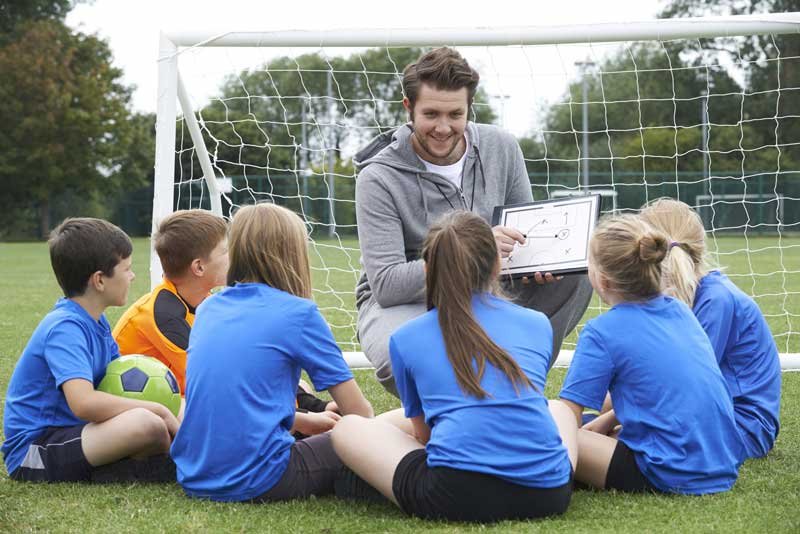
For many athletes, the end of competitive play can feel like the end of their sporting identity. Years spent training, competing, travelling, and improving performance may seem difficult to translate into a new career once tournaments and regular competition become less central to everyday life. However, stepping away from competition does not mean an experienced player has to step away from the sport.
One of the most practical career options is becoming a sports instructor. Former players often possess valuable knowledge that comes from years of practice, competition, mistakes, coaching, and personal development. They understand what it feels like to learn a difficult skill, overcome a performance setback, and prepare for an important event. With the right teaching skills and qualifications, that experience can become the foundation for helping other athletes improve.
Why Former Players Can Become Effective Instructors
Experienced players often have a strong understanding of the technical side of their sport. They know how movements should look, understand common mistakes, and have developed an instinct for recognising problems in technique.
However, being an excellent player and being an excellent instructor are two different things.
A skilled athlete may perform certain techniques automatically after years of repetition. A beginner, on the other hand, may need every movement explained carefully. This means former players have to learn how to break advanced skills into smaller, understandable steps.
Good instructors do not simply demonstrate what to do. They explain why a technique works, identify areas that need improvement, and provide practical exercises that allow students to develop gradually.
This shift in perspective can be one of the biggest challenges for former athletes. Instead of focusing primarily on their own performance, they must begin thinking about the progress and needs of someone else.
Different Sports Can Offer Different Instructor Opportunities
The path into instruction does not have to follow one standard model. Opportunities can vary significantly depending on the sport, location, age group, and type of facility.
Some former players may work at sports clubs, while others may teach through schools, recreation centres, community organisations, camps, private facilities, or independent training businesses.
For example, someone with a background in racquet sports may teach beginners, recreational adults, children, or competitive players. A former swimmer might work with children learning basic water skills or athletes preparing for competitions. An experienced archer may teach beginners how to handle equipment safely and develop consistent shooting techniques.
The key is identifying the type of student the instructor wants to work with.
Teaching beginners can be especially rewarding because progress is often visible very quickly. Competitive athletes, meanwhile, may require more detailed technical analysis and performance-focused training.
Pickleball Can Create New Teaching Possibilities
Growing recreational sports can provide another route for experienced players who want to turn their skills into a career. Pickleball, for instance, has attracted players across different age groups and experience levels, creating opportunities for people who can teach the fundamentals in an approachable way.
Someone interested in this path might research clubs, recreation centres, training programmes, and certification organisations before deciding where to begin. A pickleball instructor application may require more than evidence of playing ability, depending on the organisation and role.
Former players should therefore examine the requirements carefully. Some programmes may value certification, teaching experience, first-aid knowledge, or previous work with particular age groups.
This process can also help athletes identify gaps in their own professional preparation. Someone who has spent years competing may know the sport extremely well but have limited experience creating lesson plans or communicating with beginners.
Learning these skills can make the transition much smoother.
Archery Can Turn Competitive Experience Into Instruction
Archery is another sport where experienced participants can potentially build teaching careers. Competitive archers develop concentration, consistency, equipment awareness, technical control, and mental discipline. These qualities can become useful when helping new participants understand the sport.
However, safety should always be a central part of archery instruction. A knowledgeable instructor must understand equipment handling, range procedures, shooting etiquette, and appropriate practices for different groups.
Former archers may find opportunities through clubs, youth programmes, schools, camps, community organisations, or private instruction. Some may also become involved in athlete development programmes as their coaching experience grows.
For students interested in pursuing the sport academically, archery scholarships can also be part of the broader sporting landscape. This demonstrates how sports can connect competition, education, and long-term development rather than existing only as recreational activities.
For a former athlete, working with developing archers can provide a meaningful way to remain connected to the sport while helping others build the skills they need to progress.
Working With Young Athletes
Youth instruction is another potential career direction for former athletes. Children and teenagers often need instructors who can combine technical teaching with encouragement and positive communication.
A young athlete may become discouraged after repeatedly missing a target, losing a match, or struggling with a particular movement. An experienced instructor can use personal experiences to show that setbacks are a normal part of development.
Former players have often experienced their own periods of frustration. They know what it feels like to lose an important competition or struggle to improve despite putting in hours of practice.
Sharing those experiences appropriately can help younger athletes understand that success is rarely immediate.
However, instructors should avoid assuming that every student needs the same approach they once used themselves. Young athletes have different personalities, abilities, confidence levels, and motivations.
The instructor’s role is to help each student find an effective way forward.
Qualifications Can Strengthen a Former Athlete’s Profile
Playing experience can provide a strong foundation, but it should not be considered a complete substitute for instructor education.
Depending on the sport and workplace, instructors may need specific certifications or training. These could include coaching qualifications, first-aid training, safeguarding education, background checks, or sport-specific credentials.
Former athletes should research the requirements for their desired roles before investing time and money into additional qualifications.
It can also be useful to gain practical teaching experience before attempting to build a full-time career. Helping at a local club, assisting another instructor, volunteering at youth sessions, or running beginner workshops can provide valuable experience.
These opportunities allow former players to discover whether they genuinely enjoy teaching.
Private Coaching Can Become a Flexible Career
Not every instructor needs to work as an employee. Experienced players may eventually decide to offer private lessons or small-group sessions.
Private instruction can provide flexibility and allow instructors to specialise. For example, someone might focus on beginners, youth development, technical improvement, competition preparation, or recreational players.
However, running private lessons requires business skills as well as sporting knowledge.
An independent instructor needs to consider pricing, scheduling, facility costs, insurance, communication, marketing, cancellations, and customer relationships. Building a reputation can take time, particularly when starting without an established client base.
Beginning with a small number of students can make the transition easier. As experience and demand increase, an instructor can gradually expand the number of sessions offered.
Coaching Can Become More Than a Teaching Job
Becoming an instructor does not necessarily have to be the final destination. It can become the first stage of a broader career within sport.
An experienced instructor may eventually move into coaching, programme management, athlete development, sports administration, performance analysis, or coach education.
Some may even establish their own training businesses.
The skills developed through teaching can transfer into many areas. Instructors learn how to communicate with different personalities, organise programmes, solve problems, manage schedules, evaluate performance, and build professional relationships.
For former athletes who want to remain involved in sport but no longer want the demands of competition, these opportunities can provide a sustainable alternative.
Turning Experience Into Mentorship
Perhaps the most valuable part of becoming an instructor is the opportunity to pass knowledge to the next generation.
Years of competition teach athletes lessons that cannot always be found in training manuals. They learn how to respond to pressure, deal with disappointment, prepare for important events, communicate with teammates, and remain disciplined when motivation is low.
Those experiences can become powerful teaching tools.
A former athlete can help students understand not only how to perform a particular skill but also how to approach the process of improvement.
That type of mentorship can have an impact beyond sport. Young athletes may develop confidence, discipline, resilience, communication skills, and a healthier understanding of competition.
Building a Second Career Through Sport
The end of competitive play does not have to mean the end of a sporting career. For experienced players, becoming an instructor can provide a way to use years of knowledge in a completely different role.
The transition requires adjustment. Former athletes need to become comfortable putting the student’s development ahead of their own performance. They must learn how to communicate, plan lessons, provide constructive feedback, and continue developing their professional skills.
But the foundation is already there.
Years of training have taught experienced players about discipline, consistency, preparation, and improvement. When those qualities are combined with effective teaching methods, they can create valuable instructors who understand both the technical and human sides of sport.
For athletes looking toward life after competition, becoming an instructor is therefore more than a backup career. It can be an opportunity to remain involved in a sport they love, build a new professional identity, and help others achieve goals that once seemed difficult to reach.