
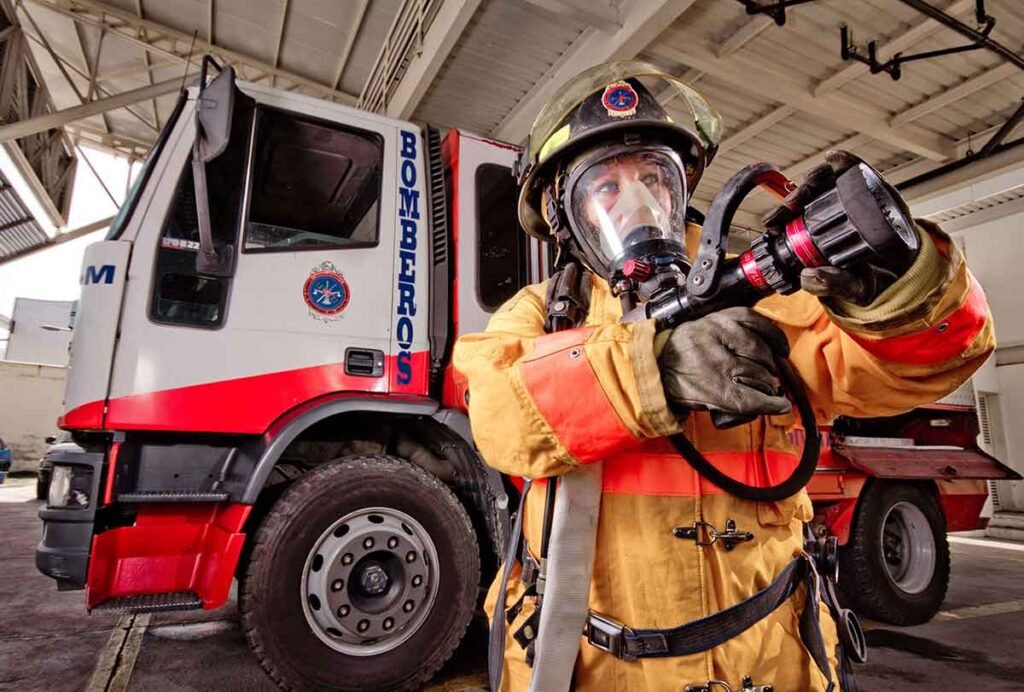
Fire emergency service work is one of those careers that people think they understand from television, but the reality looks quite different once you peel back the drama. It is a job built on unpredictability, physical demand, and constant readiness, where no two days ever unfold exactly the same way. Some shifts pass with routine checks and paperwork, while others are consumed by high-stakes emergencies that test both skill and nerve. Understanding what a typical day actually involves offers a more honest picture of the dedication this line of work requires.
Starting the Shift With Equipment and Readiness Checks
Long before any alarm sounds, the day begins with thorough equipment inspections. Workers check breathing apparatuses, hoses, ladders, and vehicles to make sure everything is functioning properly and ready for immediate use. This is not a task that gets rushed, since a single overlooked detail could compromise safety during an actual emergency. Alongside equipment checks, crews often review recent incident reports, discuss any updates to protocols, and go over the layout of buildings or areas within their response zone that may present unique challenges. This preparation phase sets the tone for the rest of the shift, blending routine with the underlying awareness that everything could change in an instant.
Training and Skill Maintenance
A significant portion of any given day is dedicated to ongoing training, even for seasoned workers with years of experience. Skills like rescue techniques, hazardous material handling, and emergency medical response require regular practice to stay sharp, since real emergencies leave no room for hesitation or rusty technique. Training sessions might involve simulated fire scenarios, physical fitness drills, or classroom-style instruction on new equipment or updated safety regulations. This constant cycle of learning reflects how much the field evolves over time, with new tools, techniques, and best practices regularly reshaping how emergencies are handled on the ground.
Responding to Calls and Managing Emergencies
When an alarm does sound, everything shifts into high gear almost instantly. Crews must move quickly, communicate clearly, and rely heavily on their training to assess a situation within seconds of arriving on scene. Fires can escalate unpredictably, and workers often face intense heat, low visibility, and physically demanding conditions while trying to contain the situation and ensure everyone’s safety. Beyond active fires, many calls involve medical emergencies, vehicle accidents, or hazardous material incidents, meaning the job demands a broad and adaptable skill set well beyond firefighting alone. The physical and mental intensity of these moments is something that never fully becomes routine, no matter how many years someone has spent in the field.
Coordinating With Other Emergency Responders
Fire emergency work rarely happens in isolation, and much of the day can involve coordinating closely with police, paramedics, and other support teams. Clear communication during a crisis is essential, since overlapping responsibilities and fast-moving situations leave little margin for confusion. Workers often collaborate with local agencies and specialized teams as well, including situations where property damage requires the involvement of a serviceable emergency restoration company to begin cleanup and recovery efforts once the immediate danger has passed. This kind of teamwork extends beyond the moment of the emergency itself, since restoring normalcy for affected families and businesses is very much a shared effort among multiple professionals.
Winding Down and Processing the Day
After a call, or at the end of a long shift, there is often a period of debriefing and reflection built into the routine. Crews review what happened, discuss what went well, and identify areas for improvement in future responses. Equipment gets cleaned and restocked, reports are filed, and workers take time to decompress from what can be emotionally and physically taxing experiences. This winding-down process matters more than people might assume, since processing difficult calls in a structured way helps protect long-term mental health in a profession where trauma exposure is simply part of the job. Rest and recovery become just as essential as the emergency response itself.
Conclusion
A day in the life of a fire emergency service worker is shaped by a rhythm of preparation, training, high-intensity response, and recovery, often all within a single shift. The unpredictability of the work demands constant readiness, physical resilience, and the ability to stay calm under pressure when lives and property are on the line. Behind every emergency response is a foundation of discipline and teamwork that rarely gets the recognition it deserves. Gaining insight into this daily reality offers a deeper appreciation for the people who show up, shift after shift, ready to face whatever comes next.